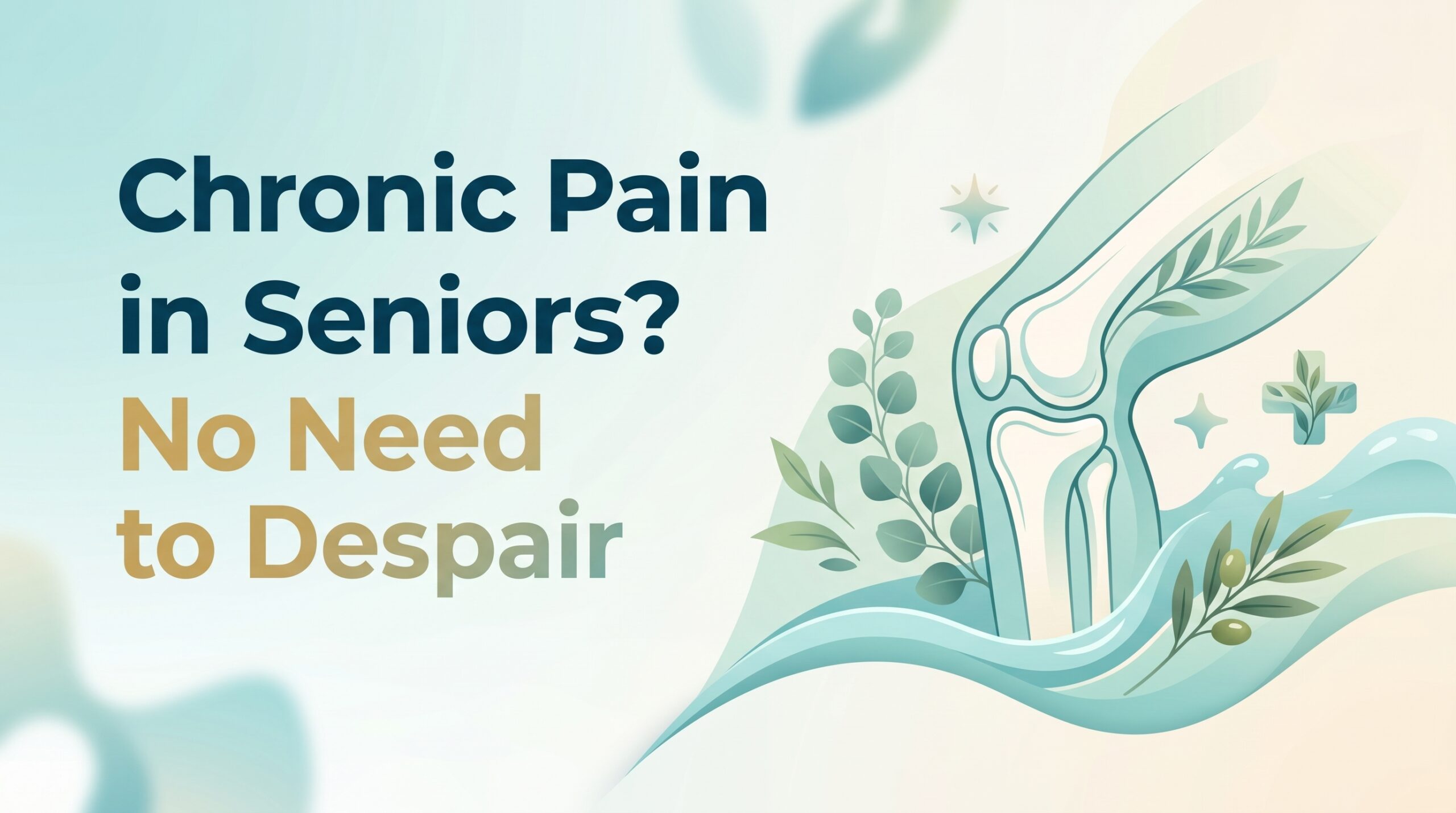
Chronic pain is one of the most common health concerns among senior citizens.
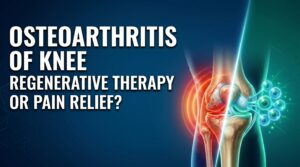
1. Persistent knee pain from osteoarthritis
2. Back pain Due to various aging processes such as,
A) Simple mechanical causes,
B) Age relative degenerative processes in the facet joints on either side or in intervertebral discs
C) Combination of multiple problems causing spinal canal stenosis
D) metastasis from hitherto undetected cancers
E) Infectious problems like tuberculosis
3. Neck pain could be the result of
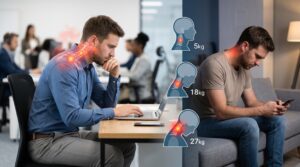
A) Simple mechanical causes due to overloading of muscles – Erect posture allows us to use our upper limb in a versatile manner but we have to pay the price of painful neck muscles specially the ones that anchor the limb to the body like the trapezius levator scapulae etc excessive screen time is a way of life that predisposes to neck strains. Poor eating habits with vitamin deficiencies may be the result of loneliness, loss of spouse, financial causes etc amongst seniors
B) Age relative degenerative processes in the facet joints on either side or in intervertebral discs
C) Combination of multiple problems causing spinal canal stenosis
D) metastasis from hitherto undetected cancers
E) Infectious problems like tuberculosis
4. Frozen shoulder, and joint pain:
Shoulder is an unstable joint because of a shallow socket and a head larger than the socket.
Thus the joint requires continuous stabilization by the powerful ligaments around it. Diabetic patients may have degenerative changes that weaken these ligaments and damage leading to frozen shoulders is more common. His muscles have the double responsibility of stabilizing the joint as well as for its mobility. Shoulder is one of the most mobile joints in the body and as such, vulnerable to muscle tears, injuries etc.
5. Muscle weakness and incoordination due to agerelated sarcopenia – leads to unsteady gait and frequent falls . Sarcopenia could result from poor nutrition with low protein intake, lack of regular exercise or incorrect exercises. Amongst seniors it is very difficult to regain any activity that is discontinued. So it is important that regular exercises to maintain good muscle health become a part of routine
6. Falls, sprains and fractures- are common amongst seniors and always follow a downhill trajectory. They may be ok after a fall, pick themselves up and reach home but will be unable to get out of bed the next day. This is because the healing capabilities of the body deteriorates with age and the inflammatory response that follows after any injury is usually worse than the original injury and progressively restricts activities till the person becomes bedridden even if there is no fracture.
All these pains can make even simple daily activities such as walking, climbing stairs, dressing, or sleeping extremely difficult. Unfortunately, many elderly patients are told that surgery is their only option or sometimes not an option while others are considered high-risk surgical candidates because of age, diabetes, blood thinner prescriptions, heart disease, hypertension, or other medical conditions.
However, Pain and structural deformities are different problems and surgery may not be the only path to pain relief, but is indicated when there are structural problems like a severe spinal canal stenosis, osteoarthritis of knee.
Advances in modern pain medicine have made it possible to effectively manage many painful conditions through minimally invasive procedures that are safer, require little to no downtime, and can significantly improve quality of life.
At Ashirvad Institute of Pain Management, we specialize in comprehensive, non-surgical treatment options for chronic pain. Every patient is carefully evaluated to identify the exact source of pain and receive a personalized treatment plan tailored to their needs and medical condition.
7.Chronic Back and Neck Pain (see out main section on back and neck pain for details)
Age-related degeneration of the spine, disc problems, facet joint arthritis, spinal stenosis, and muscle pain can result in chronic back and neck pain that severely impacts daily life.
Using advanced image-guided procedures, we offer targeted treatments including epidural injections, facet joint injections, RF ablation for facet nerves, PRF, nerve blocks, trigger point injections, myofascial pain treatments, and rehabilitation strategies aimed at reducing pain and restoring function without surgery.
8. Frozen Shoulder and Joint Pain
Frozen shoulder can cause severe pain and stiffness, making routine activities such as combing hair, dressing, or reaching overhead extremely difficult.
Our treatment approach may include Pulsed radiofrequency for nerves, Ultrasound-Guided Dry Needling (USGDN) for muscles, regenerative therapies, hydrodissection procedures, image-guided injections, rehabilitation programs, and Botulinum Toxin (Botox) therapy in selected cases to improve movement and reduce pain.
Advanced Pain Management Options
At Ashirvad Institute of Pain Management, we offer a range of evidence-based, minimally invasive treatments, including,
- Epidural injections for cervical and lumbar spine
- Pulsed Radiofrequency (PRF) Procedures
- Ultrasound-Guided Dry Needling (USGDN)
- Platelet-Rich Plasma (PRP) Therapy
- Botulinum Toxin (Botox) Injections
- Image-Guided Nerve Blocks
- Trigger Point Injections
- Regenerative Pain Therapies
- Myofascial Pain Treatments
- Rehabilitation and Exercise Programs
These procedures are performed with precision under image guidance whenever required, helping maximize effectiveness while minimizing discomfort and recovery time.
You Don’t Have to Live With Pain
Many seniors believe that chronic pain is simply a part of aging. It is not. While aging can increase the risk of painful conditions, suffering in silence should never be accepted as normal. Seek help, regain mobility and strength, enjoy active life
With modern pain management techniques, many patients experience significant pain relief, improved mobility, better sleep, greater independence, and a renewed ability to enjoy an active daily life—all without major surgery.
At Ashirvad Institute of Pain Management, our mission is simple: to help patients move better, feel better, and live better through safe, effective, and personalized pain care.
Because growing older should not mean living in pain.